





When selecting exterior wall materials, lifespan is a key factor to consider alongside aesthetics and water resistance. Composite exterior wall cladding is becoming increasingly popular in residential, commercial, and outdoor architectural projects due to its durability, low-maintenance nature, moisture resistance, and modern appearance.
So, what is the actual lifespan of composite exterior wall cladding?
The lifespan of composite exterior wall cladding is typically around 20 to 30 years; however, with high-quality manufacturing and proper installation and maintenance, it can last even longer.
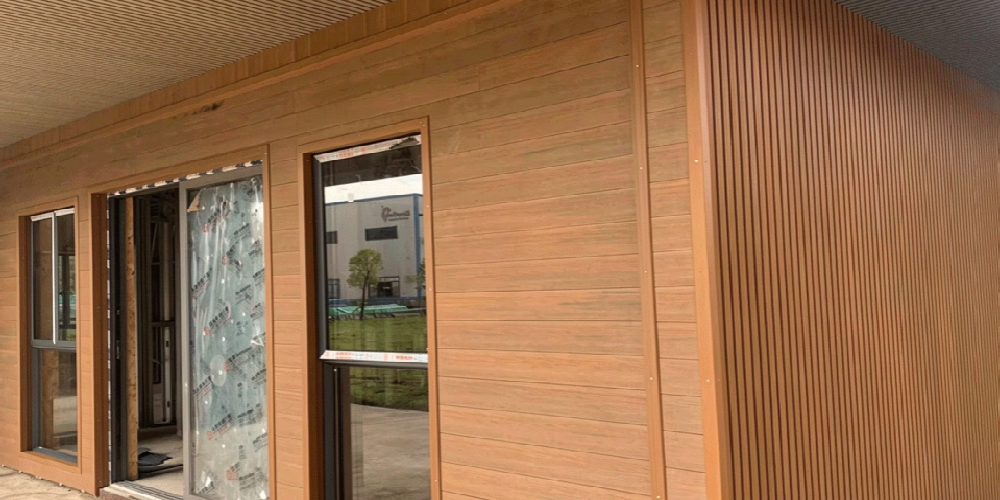
Unlike traditional wood cladding, composite materials are engineered to minimize common issues such as rotting, cracking, splitting, and insect damage. Many modern Wood-Plastic Composite (WPC) cladding products also offer superior resistance to moisture, UV radiation, and temperature fluctuations.
What factors affect the lifespan of composite exterior wall cladding?
1. Material Quality
The quality of raw materials and the manufacturing process directly impact the long-term performance of composite cladding.
High-quality WPC cladding is typically manufactured using a precise blend of wood fibers, polymers, and additives, combined with advanced surface treatment processes. These factors effectively enhance the material's resistance to moisture, UV radiation, weathering, and temperature fluctuations.
2. Installation Method
Even high-quality composite cladding products can have a shortened lifespan if installed incorrectly.
Proper support structures, correct fastening systems, adequate expansion gaps, and appropriate spacing are crucial. Additionally, the back of the outdoor cladding should allow for good ventilation and drainage to prevent long-term moisture accumulation.
3. Climate and Weather Conditions
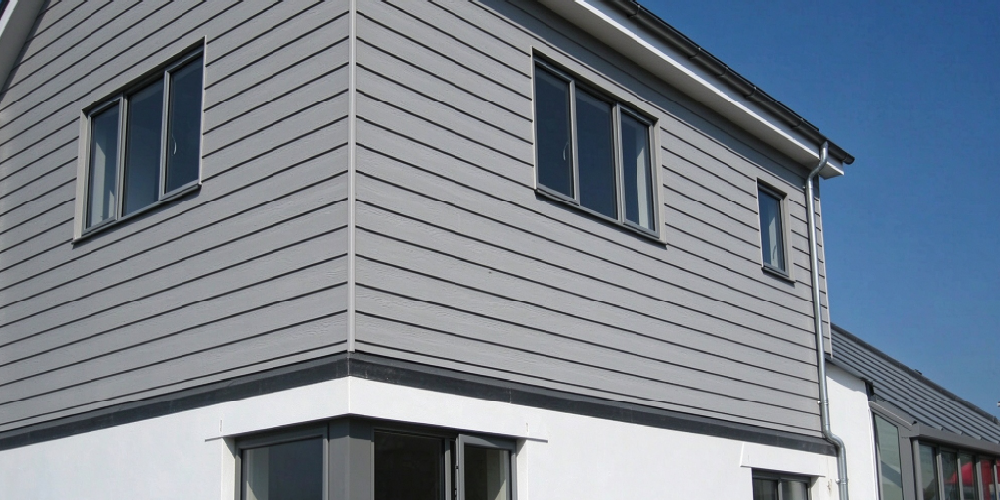
Buildings exposed to intense sunlight, high humidity, heavy rainfall, coastal air, freezing temperatures, or extreme temperature fluctuations may be subject to greater environmental stress.
Modern composite cladding is designed for outdoor use and maintains good performance across various climates. However, selecting a product suited to the local environment is essential, particularly in regions with high UV exposure or humidity.
4. UV Resistance and Color Stability
UV resistance is another important consideration for outdoor applications. Prolonged exposure to sunlight may gradually affect the color and surface appearance of the cladding. High-quality composite products often feature modified formulations or protective surface layers to ensure superior color stability.
After years of use, some natural color variation or gradual fading may occur, particularly in regions with intense sunlight. However, this does not necessarily indicate a significant decline in the cladding's structural integrity.
5. Maintenance
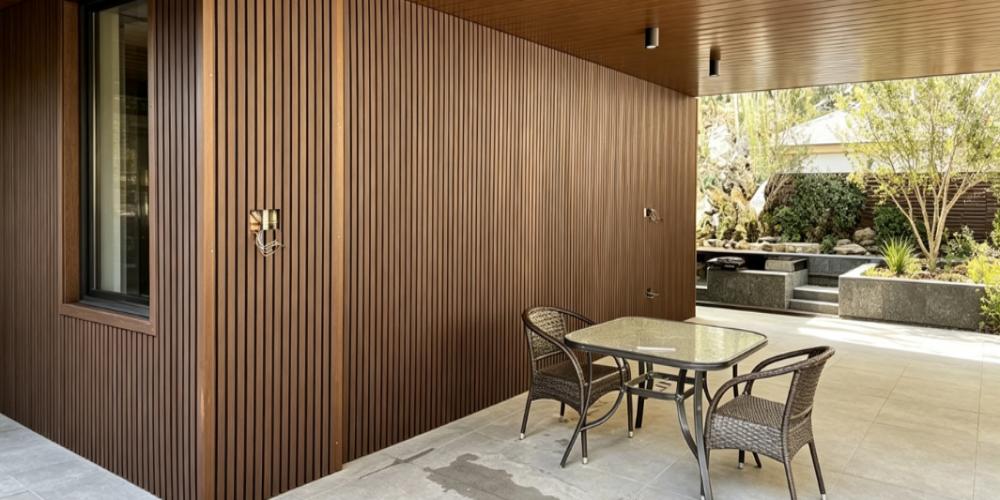
One of the key advantages of composite cladding is that it generally requires less maintenance compared to traditional wood.
Routine cleaning is usually sufficient to remove dust, dirt, fallen leaves, and other surface contaminants. Mild detergent and water are suitable for general cleaning; the use of harsh chemicals or abrasive tools should be avoided unless explicitly recommended by the manufacturer.
In summary, WPC exterior wall panels offer excellent value and require minimal maintenance. Please feel free to contact us if you have a suitable project.
